Commercial Construction Loan Draw Process Explained: What Developers and Investors Need to Know
Commercial real estate development requires more than finding the right property and assembling a construction team. Whether you are building a multifamily development, expanding a commercial property, or undertaking a major renovation, having access to capital at the right time is critical to keeping your project moving forward.
One of the most important aspects of commercial construction financing is understanding the construction loan draw process.
Unlike traditional commercial real estate loans, where funding is typically disbursed in a lump sum at closing, construction financing generally releases funds in stages as work progresses. These disbursements, commonly called construction draws, allow developers to access capital as project milestones are completed and expenses are incurred.
Understanding how construction draws work can help developers plan their budgets, coordinate contractors, manage cash flow, and avoid unnecessary delays.
At JNI Commercial Lending, we understand that every commercial development has different financing requirements. Knowing how construction financing is structured and what lenders typically expect throughout the draw process can help you prepare for a successful project.
What Is a Commercial Construction Loan Draw?
A construction loan draw is a scheduled disbursement of funds from an approved construction loan. Instead of receiving the entire construction budget upfront, borrowers request funding as specific portions of the project are completed.
For example, a commercial developer building a multifamily property may need funding at different stages of construction:
- Site preparation and excavation
- Foundation and concrete work
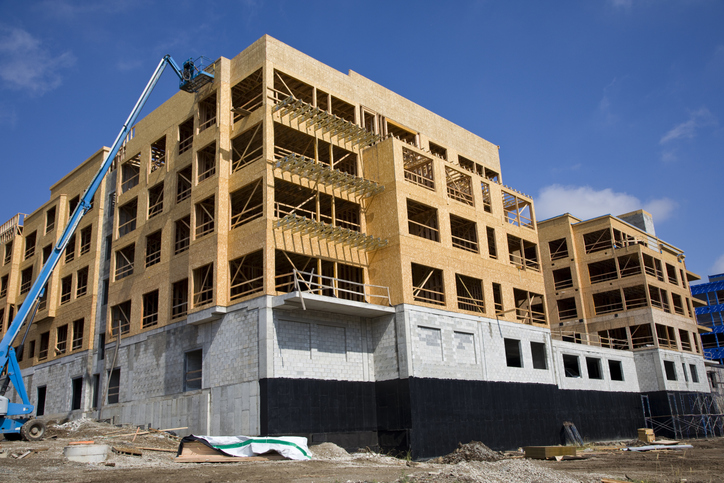
- Structural framing
- Plumbing, electrical, and mechanical systems
- Interior construction and finishes
- Final inspections and project completion
Each completed phase may qualify for a draw, depending on the approved construction budget and the terms of the loan agreement.
The lender reviews the request, verifies the completed work, and authorizes the appropriate disbursement.
Why Are Construction Loans Funded in Draws?
The draw process serves several purposes for both borrowers and lenders.
For developers, it provides access to capital throughout the construction process without requiring the entire project budget to be funded at closing.
For lenders, it creates an opportunity to monitor construction progress and verify that loan proceeds are being used for their intended purpose.
Some of the primary benefits include:
- Improved cash flow management: Developers can access funds as construction expenses arise.
- Budget oversight: Draw requests are generally tied to an approved construction budget.
- Project accountability: Inspections help confirm that work is progressing as planned.
- Contractor payments: Developers can coordinate payments to general contractors, subcontractors, and suppliers.
- Risk management: Periodic reviews help identify potential construction delays or budget issues before they become larger problems.
It is important to understand that construction draw procedures, funding timelines, retainage requirements, and interest calculations vary by lender and loan agreement.
How the Commercial Construction Loan Draw Process Works
Although individual lenders may have different procedures, most commercial construction loans follow a similar funding process.
Here is a breakdown of the typical steps involved.
Step 1: Project Review and Construction Budget Approval
Before construction financing is finalized, the lender evaluates the proposed development and its financial requirements.
This includes reviewing the project’s overall scope, estimated costs, construction plans, and anticipated timeline.
Common documentation may include:
- Detailed construction budget
- Architectural plans and engineering documents
- General contractor qualifications
- Construction contracts and project schedules
- Property appraisal and valuation
- Borrower financial statements
- Project feasibility and financial projections
- Permits and applicable approvals
The lender wants to understand the total cost of the project and determine whether the proposed financing is sufficient to complete construction.
An accurate and realistic construction budget is especially important. Underestimating expenses or overlooking certain project costs can create funding challenges later.
Step 2: Establishing the Construction Draw Schedule
Once the project budget and financing structure are approved, a draw schedule is typically established.
The draw schedule outlines when funds can be requested and what construction milestones or expenses must be completed before a disbursement can be approved.
For example, a commercial development might follow a schedule similar to this:
| Construction Phase | Typical Expenses |
|---|---|
| Site preparation | Excavation, grading, utilities |
| Foundation | Concrete, footings, site work |
| Structural construction | Framing, steel, roofing |
| Mechanical systems | HVAC, plumbing, electrical |
| Interior construction | Drywall, flooring, fixtures |
| Final completion | Finishes, landscaping, inspections |
The actual schedule depends on the project’s scope, construction budget, lender requirements, and loan agreement.
Developers should understand the draw schedule before construction begins. This makes it easier to coordinate contractor payments, anticipate upcoming expenses, and maintain sufficient working capital.
Step 3: Completing Construction Milestones
As construction progresses, the developer and general contractor complete the work outlined in the approved project schedule.
Once a particular phase is finished, the borrower can generally begin preparing a draw request for the eligible expenses.
For example, after completing the foundation, the developer may request funding associated with the completed foundation work.
The same process continues throughout the project as additional construction milestones are reached.
It is important to remember that a construction draw is not necessarily an automatic payment. The borrower must follow the lender’s requirements and provide the appropriate supporting documentation.
Step 4: Submitting a Construction Draw Request
When the borrower is ready to request funding, a draw application is submitted to the lender.
The application typically identifies the work completed, the expenses being requested, and the corresponding line items from the approved construction budget.
Depending on the lender, supporting documentation may include:
- Completed draw request forms
- Contractor invoices and payment applications
- Receipts for materials and construction expenses
- Updated project budget
- Progress photographs
- Contractor and subcontractor payment information
- Conditional or unconditional lien waivers
Lien waivers are particularly important because they help document payments made to contractors, subcontractors, and suppliers and reduce the risk of mechanics’ liens against the property.
Submitting complete and accurate documentation can help prevent unnecessary delays during the review process.
Step 5: Construction Inspection and Verification
Before releasing funds, the lender typically verifies that the requested work has been completed.
This may involve an independent construction inspection or another approved method of verifying project progress.
The inspection generally evaluates:
- Whether the completed work matches the requested draw.
- Whether construction is progressing according to the approved plans.
- Whether the project remains consistent with the original budget.
- Whether any issues or discrepancies require additional documentation.
The lender may also review title updates, lien waivers, and other supporting documents before approving the disbursement.
These procedures help ensure that funding corresponds to actual construction progress.
Step 6: Construction Draw Approval and Funding
Once the lender completes its review and approves the draw request, the authorized funds are disbursed according to the loan agreement.
The borrower can then use the funds to reimburse eligible project expenses or pay contractors and suppliers, depending on the approved funding arrangement.
This process repeats throughout the construction period until the approved construction budget has been fully drawn or the project reaches completion.
Developers should account for the time required to prepare documentation, schedule inspections, obtain approval, and receive funds.
Even relatively small delays in the draw process can affect contractor schedules and create additional carrying costs.
What Can Delay a Commercial Construction Loan Draw?
Construction delays are not always caused by problems with the building itself. Sometimes, the issue is getting approved funding released at the right time.
Understanding common draw-related challenges can help developers avoid unnecessary interruptions.
1. Incomplete Documentation
Missing invoices, contractor information, lien waivers, or other required paperwork can delay a draw request.
2. Construction Progress Does Not Match the Draw Schedule
If the work completed does not align with the approved construction budget or funding milestones, the lender may need additional verification before approving the request.
3. Budget Overruns
Unexpected material costs, labor expenses, or construction changes can create discrepancies between the original budget and actual project costs.
4. Inspection Delays
Scheduling inspections and resolving issues identified during the review process can extend the time required to release funds.
5. Contractor or Subcontractor Payment Issues
Unresolved payment disputes or missing lien waivers can complicate the approval process and create additional risk.
The best way to minimize these challenges is to maintain accurate financial records, communicate regularly with contractors, and understand the lender’s documentation and inspection requirements before submitting a draw request.
Construction Loan Draws and Cash Flow Management
One of the biggest challenges in commercial real estate development is managing cash flow throughout the construction process.
Developers must coordinate multiple financial obligations, including contractor payments, material purchases, labor expenses, insurance, permits, and other project-related costs.
When funding is delayed, even a well-planned project can experience disruptions.
This is why understanding the construction draw process should be part of the initial financing strategy, not something developers figure out after closing.
Before moving forward with a construction loan, consider asking your lender:
- How frequently can construction draws be requested?
- What documentation is required for each draw?
- Are inspections required before every disbursement?
- How long does the typical draw review take?
- Are there retainage requirements?
- Is interest charged on the full approved construction amount or only on funds disbursed?
- What happens if construction costs exceed the original budget?
- Are there provisions for change orders or unexpected expenses?
These questions can help you better understand the total cost of financing and how the loan will support your project from beginning to completion.
Commercial Construction Financing vs. Traditional Commercial Real Estate Loans
It is important to understand that construction financing works differently from traditional commercial real estate financing.
A conventional commercial mortgage typically finances the purchase or refinancing of an existing property. The lender evaluates the property’s current value, income, debt service coverage, and the borrower’s financial position.
Construction financing requires a different approach because the property may not yet exist in its completed form.
Instead, the lender must evaluate the proposed development, construction budget, project feasibility, contractor experience, and anticipated value upon completion.
| Financing Consideration | Construction Loan | Traditional Commercial Mortgage |
|---|---|---|
| Primary Purpose | Fund new construction or development | Purchase or refinance existing property |
| Funding Structure | Typically released in stages | Generally disbursed at closing |
| Underwriting Focus | Project costs, plans, feasibility, borrower strength | Property value, income, cash flow, borrower strength |
| Inspections | Periodic construction inspections may be required | Generally property appraisal and due diligence |
| Repayment Strategy | Often involves refinancing, sale, or conversion to permanent financing | Typically ongoing loan payments |
Choosing the right financing structure depends on the property, development strategy, project timeline, and long-term financial objectives.
Financing Your Next Commercial Construction Project with JNI Commercial Lending
Commercial development requires the right combination of planning, capital, and execution.
Whether you are developing a multifamily property, constructing a commercial building, or undertaking a significant real estate project, having a financing partner who understands the complexities of commercial real estate can make a meaningful difference.
JNI Commercial Lending works with businesses, investors, and developers to identify financing solutions that align with their project requirements.
Our commercial real estate financing solutions include:
- Commercial Construction Financing: Financing solutions for qualifying commercial development and construction projects.
- Bridge and Hard Money Loans: Short-term financing for time-sensitive commercial real estate opportunities.
- Commercial Real Estate Loans: Financing for commercial property acquisitions and investments.
- SBA 7(a) and 504 Financing: Financing options for qualifying owner-occupied commercial properties.
- Mezzanine and Equity Financing: Additional capital solutions for qualifying commercial real estate transactions.
With access to a broad network of capital providers and financing options, JNI Commercial Lending helps borrowers explore solutions for projects that may require a more specialized approach.
Ready to Discuss Your Commercial Construction Financing Needs?
The construction draw process is an important part of successfully managing a commercial development. Understanding how funds are released, what lenders require, and how to plan for construction expenses can help you avoid unnecessary delays and keep your project moving forward.
If you are planning a commercial construction project or exploring financing for an upcoming development, JNI Commercial Lending can help you evaluate potential financing solutions.
Contact JNI Commercial Lending today to discuss your project and explore your commercial construction financing options.
JNI Commercial Lending
Phone: 954-591-0668
Email: jjanusz@jnilending.com
Website: https://jnilending.com/